
Surrogacy Process and the Law in Australia
Surrogacy is legal in Australia but there are various laws affecting surrogacy across our States and Territories. Many couples are so focused on having their child that they fail to

Surrogacy is legal in Australia but there are various laws affecting surrogacy across our States and Territories. Many couples are so focused on having their child that they fail to
During the famous Dutch famine of 1944-1945, the daily nutritional intake of pregnant women was reduced to only approximately 400-1000 calories, which is well under the 1800-2400 calories recommendation. As

Tracking your menstruation cycle is important to get pregnant or avoid getting pregnant. There are just few days in each cycle that a woman can get pregnant – ‘the fertile

A shortage of donors and an increasing demand for eggs has encouraged more infertile couples to go overseas to find a donor, often at a fraction of the price. If
PCOS (polycystic ovarian syndrome) is no joke. It’s a grim, unpleasant medical condition, and it’s a risk to fertility. PCOS affects a surprisingly large number of women. This condition affects
The selection of the best quality embryos to transfer during in vitro fertilisation (IVF) is crucially important to maximise treatment success. Quality assessment is largely based on morphological features, such

Planning to start a family can be a truly joyous and exciting time for couples. However, after months without results, some couples begin to worry about infertility and sexual health
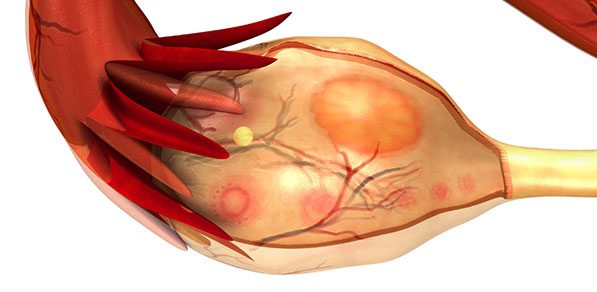
A common confusion among women, is understanding the difference between having polycystic ovaries (PCO) and having been diagnosed with a Polycystic Ovarian Syndrome (PCOS). PCO refers to an ultrasound scan

What is pre-implantation genetic testing (PGT)? A significant portion of embryos created by either natural conception or Assisted Reproductive Technology may carry genetic abnormalities such as incorrect number of chromosomes.
High prolactin, or hyperprolactinemia is one of the most common causes for the absence of menstruation (amenorrhea), accounting for 15-30% of all cases. It mostly affects young women of reproductive
Many people assume that their fertility worries are over once they have successfully conceived, carried and given birth to their first child. However, even if you had no issue falling

Conceiving isn’t my problem…but I keep miscarrying. Are killer cells responsible? What do ‘killer cells’ do to cause miscarriage exactly? What is speculated to happen here is that the body’s