
Polygenic embryo screening: What the marketing won’t tell you
Why you should be cautious about tests that promise to predict your child’s IQ, height or health
You may have come across advertisements promising genetic testing that can predict which IVF embryo will become the smartest, tallest, or healthiest child. These tests, called polygenic risk scoring, are being marketed internationally with compelling taglines like “Have your best baby.” I want to give you the evidence, because the marketing story and the scientific reality are quite different.
What these tests actually do
Polygenic risk scores attempt to predict complex traits influenced by thousands of genes working together. Unlike traditional genetic testing, which identifies single-gene conditions like cystic fibrosis, these scores claim to forecast your future child’s risk of developing late-onset diseases such as heart disease or Alzheimer’s, as well as traits like intelligence or height.
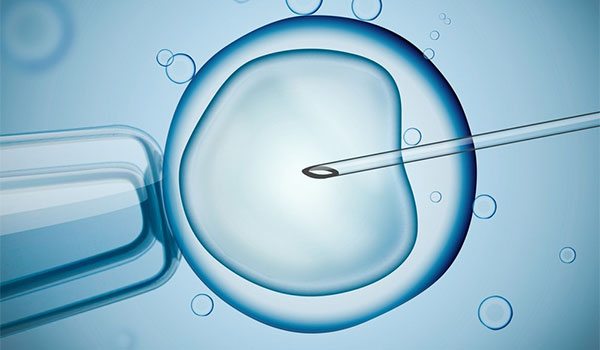
Here’s how they work: a lab analyses DNA from your embryo and generates a score for each trait. Higher scores supposedly indicate better outcomes. Parents can then theoretically use these scores to select which embryo to transfer, or which to discard.
Sounds straightforward. It’s not.
The evidence gap is enormous
When I reviewed this technology using the same rigorous framework we apply to any medical screening test, the findings were clear: these predictions are extremely uncertain.
For diseases that develop later in life – like Alzheimer’s or heart disease – we cannot examine whether these predictions actually work because the outcomes won’t be known for decades. We simply don’t have the evidence yet.
For traits like IQ and height, mathematical modelling shows vanishingly small predicted benefits: perhaps a few IQ points and 1 to 3 centimetres in height. To some people, 3 cm sounds meaningful, but here’s the critical part: we cannot be certain how relevant these tiny genetic advantages will actually be for your child’s life.
Why the environment matters more than the genes
The polygenic scores used today are based on research from people currently in their 50s and 60s. Those populations grew up in vastly different environments than your child will. They had no smartphones, different processed food availability, different levels of air pollution, different microplastic exposure. Their education, healthcare, and lifestyle factors were fundamentally different from what your child will experience.
This is crucial because traits and diseases result from lifelong interactions between genes and the environment. The same genetic variants that contributed to diabetes in the 1970s might behave completely differently in today’s world. You cannot reliably assume genetic patterns from past populations will predict outcomes in radically transformed environments in the future.
Consider IQ specifically. Early childhood education, nutrition, parental engagement, and socioeconomic factors have enormous impact on cognitive development. Choosing an embryo with a marginally “better” genetic score for intelligence while ignoring these proven influences is like trying to predict a plant’s height from the seed alone, without considering soil, sunlight, or water. You’re only looking at half the equation.
Hidden risks in these scores
There’s also something called pleiotropy, where one gene affects multiple traits. If you select for higher educational achievement, you might inadvertently increase your risk of choosing an embryo with a higher genetic risk for bipolar disorder. You won’t know about that trade-off until you receive all the scores.
This creates what I call decision paralysis. When parents receive polygenic risk scores for multiple embryos across dozens of conditions and traits, how do you actually choose? Do you prioritise the embryo with lower heart disease risk but higher IQ risk? Lower Alzheimer’s risk but higher obesity risk? These aren’t straightforward medical decisions. They’re impossible value judgements that leave many parents frozen with uncertainty.
The real risks of choosing IVF for these tests
Here’s something most marketing materials won’t mention: IVF itself carries risks. There’s an increased risk of high blood pressure in pregnancy, preterm delivery, and potentially other complications. The very process of obtaining a biopsy from an embryo to analyse its DNA may also affect pregnancy outcomes.
So couples undergoing IVF solely for polygenic risk score testing – when they don’t have fertility issues – are trading proven medical risks for unproven benefits. That’s not sound medicine.
Where this sits legally and ethically
In Australia, our National Health and Medical Research Council guidelines recommend preimplantation genetic testing to avoid serious inherited conditions. Polygenic risk scores are different: they predict future risk of developing a condition, not diagnose one. So using these scores for embryo selection operates in a regulatory grey zone and sits outside our current clinical guidelines.
There are also profound ethical concerns. This technology echoes historical eugenics movements. Selecting embryos for traits like intelligence or skin colour risks entrenching discrimination and deepening social inequalities.
What actually matters for your child’s future
The “best” child isn’t the one with the highest genetic score. It’s the child born into a loving family with access to good nutrition, education, and healthcare. These environmental factors have far more influence on how your child develops than tiny variations in DNA.
If you’re considering IVF and have questions about embryo testing options, I’d encourage you to discuss the evidence with me in a consultation. My role is to help you make informed decisions based on what actually works, not on marketing promises.